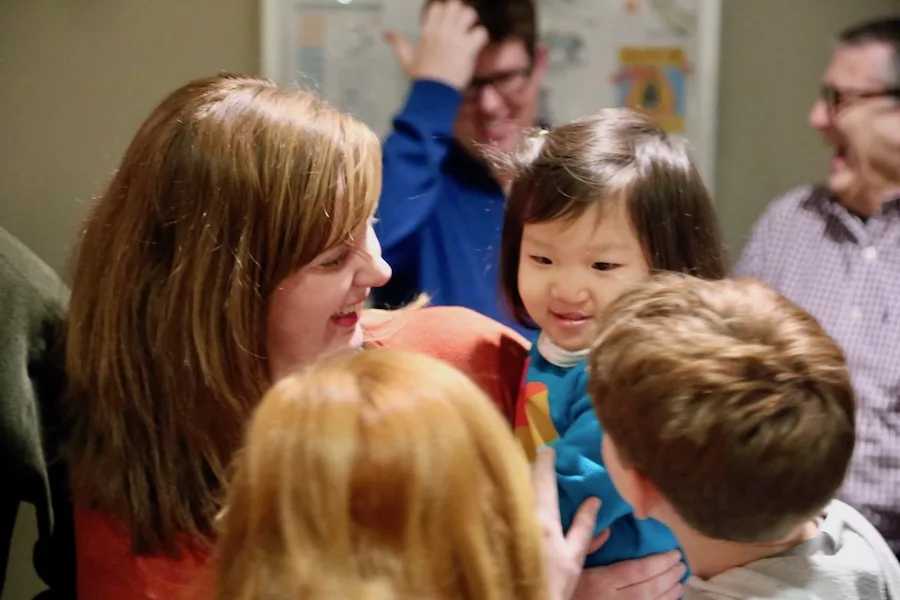
If your family has been thinking about adopting, I'm here as a BTDT mom to help.
This year, my family grew by one more child when my husband and I adopted our daughter, a spunky 2-year-old from South Korea. It feels like we're experts on adoption at this point, having waited a full three years to get her home, but it doesn't feel that long ago that we were totally clueless about where to start.
I'm not going to lie, the process is long and bumpy. And it can be exhausting, both emotionally and physically.
But without hesitation I'd highly recommend it to anyone who feels they're up for the adventure. And I can hopefully make things easier with these important steps to start an adoption.
Related: What one remarkable family is doing to support adoption.
I love Project Zero, a non-profit matching professional photographers with kids waiting to be adopted through the foster care system.
1. Decide whether you want a domestic or international adoption.
This might seem like an obvious first step, but it's an important one because the logistics and laws between domestic adoptions and international ones vary widely. Deciding where you want to adopt from will determine pretty much everything else about your adoption process, from the types of documents you need to gather to the budget you need to set. Domestic adoptions The most common domestic adoptions are infant adoption, although adopting from foster care is an option too. If you're just starting your family and are looking to adopt an infant, domestic adoption might be a good path for you. For infant adoptions, it's a great idea to contact a home study agency or adoption lawyer in your area -- you will get great feedback if you join a Facebook group in your area focused on adoption -- for specifics about the process, including the period of time the birth mother and father are legally allowed to change their minds about placing their child with adoptive parents, and what your financial risk would be if they do that. Because the birth mothers select families for their children by reviewing photos and bios of interested parents, there's no sure way to gauge how long you'll wait to be matched for a domestic adoption. I know parents who waited one week -- and parents who waited 10 years! So, just be prepared. International adoptions We started on the domestic track, but after the two-year roller coaster of waiting, we shifted plans to adopt internationally. If you choose to go this route, you most likely won't be adopting an infant, although the ages of children vary widely by country. Each country is also vastly different in their laws and requirements for adoptive parents -- there are even age limits, weight limits (seriously!), and past medical history issues that can disqualify you from some countries but not others. We started our process by checking with Holt International, since they're one of the oldest and most experienced agencies in the country with offices in every state, to view their waiting child lists and get a glimpse at the adoption process in each country. We also looked at the State Department's intercountry adoption page, to see current info on the laws in each country. This gave us a good overview, so we'd know which questions to ask when we met with our home study agency for the first time. Also, I highly recommend meeting with a counselor who specializes in adopted kids to glean advice on adopting overseas, as they'll likely be able to identify common parenting issues you may face based on the region your child is adopted from.2. Pick the right home study agency.
Once you've decided whether to adopt domestically or internationally, the next step is to find a home study agency that's right for you. This is especially important since they'll be supporting you throughout the entire adoption process; and possibly even after you get home with your child, if they're as helpful as ours. I've called my social worker to ask for help with getting insurance coverage for our adopted child, whether her eating habits were normal, and what to do about difficult sleep issues. And she's been there for me every step of the way. To find the right one, inquire with friends who have adopted kids or look to adoption social media groups in your city. It's a little like picking the right OBGYN -- you want someone you trust fully to take you though the process and help you have the healthiest possible connection with your child. Once you have a list, I'd suggest getting quotes and references from a few different agencies so you can start narrowing it down.3. Get your paperwork together. Ugh.
Your home study agency will provide you with a list of required documents you'll need to provide before they can write up your home study, so get ready! This will range from basics like birth certificates and employer and personal references, to FBI fingerprinting. You may even need physical or even psychological evaluations, depending on the country or state you choose to adopt from. I found it helpful and less overwhelming to keep our to-do list in a 3-ring binder. As all the documents and clearances came in, we added them to the binder in order, and checked them off our list. This kept us extremely organized. Besides, the quicker you can finish this process, the better, because you can't pursue any opportunities to adopt until you have this step completed.Related: 10 of the best, thoughtful gifts for newly adoptive parents and their kids