What's new about the new AAP car seat guidelines that parents need to know.

The American Academy of Pediatrics (AAP) wants to be as clear as can be on the safest way to buckle up your kids in the car. They just released new car seat guidelines for 2017 with very specific age and weight requirements and the folks…

What's new about the new AAP car seat guidelines that parents should know
The American Academy of Pediatrics (AAP) wants to be as clear as can be on the safest way to buckle up your kids in the car. They just released new car seat guidelines for 2017 with very specific age and weight requirements and the folks at Healthy Child have conveniently summarized the important parts, should you not want to order a whole brochure. The AAP has even gone a step further and compiled a list of 2017 approved car seats that you can feel good about buying. Way to make a parent's life easier, AAP!
Related: Mifold vs. BubbleBum: Travel booster seat smackdown

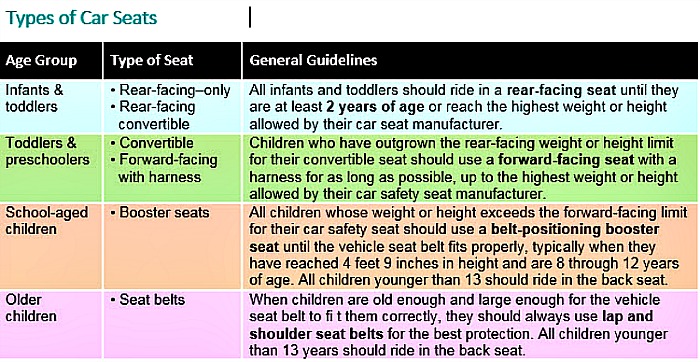
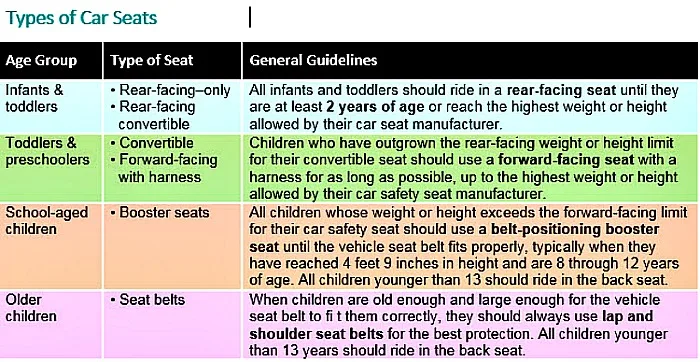
So I've dug into the new 2017 car seat guidelines to see what's new in particular that I think parents should know. While they remain largely the same as the guidelines last released in 2011 -- notable for the strong recommendation that children under 2 remain in a rear-facing car seat -- this newly released chart leaves no room for debate on age, height, and weight requirements. Here's a good summary of what's new that you should know: New 2017 car seat guidelines from the AAP | mompicksprod.wpengine.com
  • Car seat guidelines for children 2 and under: The AAP recommends you use a rear-facing only seat (or one that converts from rear-facing to forward) until 2 years of age or until your child reaches the maximum weight/height restrictions allowed by the car seat manufacturer.
  • Car seat guidelines for toddlers and preschoolers: Once children have outgrown the rear-facing seat and are over 2-years-old, they should ride in a convertible or forward-facing car seat with harness until they reach the maximum height or weight allowed by the car seat manufacturer.
  • Car seat guidelines for school-aged children: Children should sit in a belt positioning booster seat when they have outgrown the forward-facing convertible car seat. They should remain in a booster until they are 4'9" tall, which typically between ages 8-12.
  • Car seat guidelines for larger kids and teens: Once children have outgrown a booster seat, they can wear seat belts. However, all children under 13, regardless of height and weight, should remain in the back seat.
It's important to be aware however that all states have different children's car seat laws or recommendations, as you can see from this page that AAA put together. For example, Iowa requires everyone 18 and under to wear a seatbelt, even in the back seat; in states like Maryland and New York, the requirement only goes up to 16. And then there's South Carolina, which doesn't seem to offer any guidance at all for children over 6. But we say, everyone should wear seat belts, all the time, in any seat. Even us adults. Top photo: Paul Hamilton @ Flickr Creative Commons
new car seat guidelines

More in TravelView all picks →

You won't believe the Fall Break deals on Expedia

You won't believe the Fall Break deals on Expedia

Fall break is that sweet spot in the school calendar when everyone could use a change of scenery—but before you start debating beach versus mountains versus a city adventure, there's Expedia . With flights, hotels, vacation rentals, car …

13 things to make your summer travel with kids easier

13 things to make your summer travel with kids easier

Traveling with kids is equal parts memory-making and logistical gymnastics. Somehow you're packing for tiny humans who require seventeen snacks, three backup outfits, and a very specific stuffed animal they obviously can't live without. …

Summer Travel First Aid Kit Essentials: Basic First Aid Kit

How to put together a first aid kit for travel: Everything you need. Just in case.

Do you have a travel first aid kit to take along on all of your summer trips? As I type these words, I realized...I don’t have one! And I should. Luckily, we have the internet, online shopping, and 24-hour drugstores that make it easy fo…